


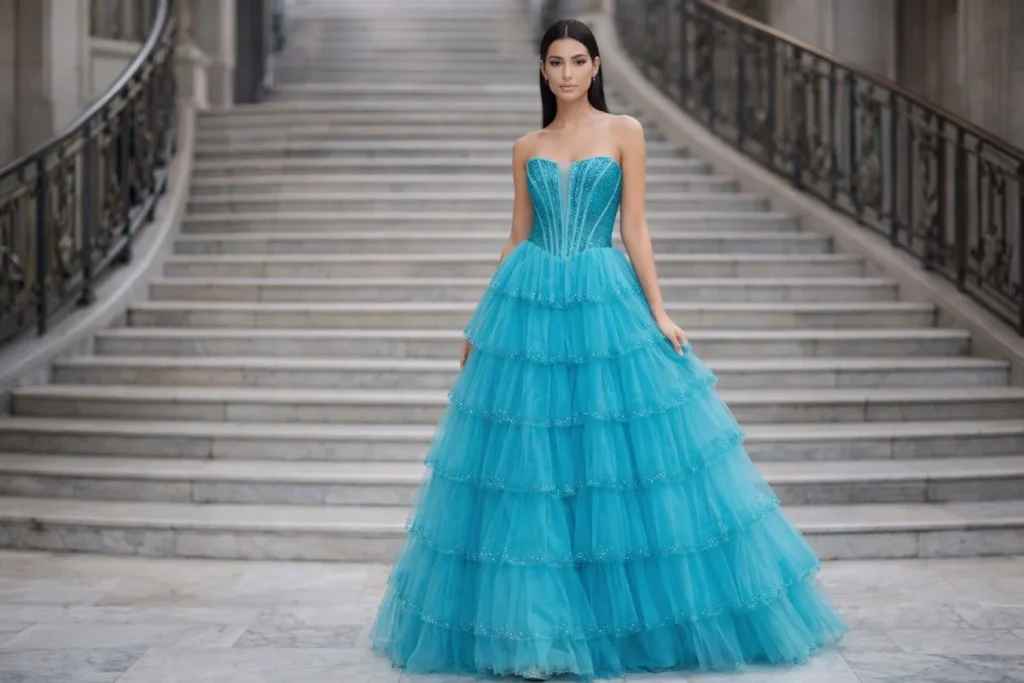
Designing a custom gown is an exercise in intentionality. Every stitch, fabric choice, and measurement serves a specific purpose, but few elements exert as much influence over the final silhouette as the neckline. The neckline is the focal point of any formal garment; it frames the face, dictates the flow of the bodice, and determines the overall structural integrity of the design. Selecting the wrong neckline can overwhelm your frame or clash with the intended formality of the event, while the right choice can elevate your stature and highlight your natural features with precision.
Choosing the perfect neckline requires an understanding of anatomy, fabric weight, and event protocol. When you are investing in a custom piece, you have the rare opportunity to move beyond standard off-the-rack limitations. By analyzing your body proportions and the aesthetic goals of your gown, you can create a centerpiece that feels both timeless and perfectly tailored to you.
Understanding Your Proportions and Neckline Geometry
The primary role of a neckline is to create balance. When evaluating options, consider the natural lines of your collarbone, the length of your neck, and the width of your shoulders. A successful neckline will either emphasize these features or create the illusion of balance where it is needed most.
The Sweetheart Neckline
The sweetheart neckline is a classic choice for a reason. Its structure mimics the top half of a heart, dipping in the center and curving upward toward the shoulders. This design is exceptionally effective at drawing the eye to the décolletage while adding the illusion of curves to the bust area. It is a versatile choice for those who want a romantic and feminine silhouette. Because it leaves the shoulders and neck bare, it pairs beautifully with statement necklaces or elaborate earrings.
The V-Neck
The V-neck is a masterclass in elongating the torso. By creating a vertical focal point, this neckline pulls the viewer’s eye downward, which is ideal if you have a shorter neck or want to create a leaner, more statuesque appearance. The depth of the V is entirely customizable in a bespoke gown. You can opt for a modest, shallow V for daytime events or a deep, dramatic plunge for evening galas. It is particularly flattering for those with broader shoulders, as it breaks up the horizontal expanse of the upper body.
The Boat Neck or Bateau
Elegant, sophisticated, and understated, the boat neck follows the curve of the collarbone, extending toward the shoulder tips. This style provides a sense of regal modesty and is highly recommended for structured gowns made from heavy silks or brocades. It balances out wider hips by broadening the appearance of the shoulders, creating an hourglass effect. Because it covers more skin than other styles, it allows for more intricate beadwork or lace detailing along the bodice without looking cluttered.
Fabric Considerations for Your Neckline
The material you select for your gown dictates how the neckline will hold its shape. A heavy, stiff fabric like satin or mikado will require a different structural approach than a lightweight, fluid fabric like chiffon or crepe.
When designing a custom gown, your tailor must consider the weight of the fabric against the neckline. A deep scoop neck in a very heavy, stiff fabric may suffer from gaping if the bodice is not perfectly fitted. Conversely, a thin, delicate fabric like lace may require an illusion netting backing to ensure the neckline does not stretch or lose its shape over the course of an event.
-
Structured fabrics: Ideal for boat necks, square necklines, and rigid sweetheart shapes.
-
Fluid fabrics: Best suited for cowls, draped V-necks, or soft, off-the-shoulder designs.
-
Illusion fabrics: Essential for supporting intricate necklines that appear to float on the skin, such as high-neck lace or deep plunges with sheer inserts.
Aligning Necklines with Formal Occasions
Not all necklines serve all environments. When commissioning a custom gown, consider the formality and the setting of your upcoming event. A professional charity gala may demand a different level of coverage than a high-fashion runway event or a wedding.
The high neck or mock-turtle neckline communicates authority and high fashion. It is a bold choice that highlights the face and hair, making it a perfect candidate for dramatic updos. If you choose this path, ensure the fit is precise; a high neck that is too tight can feel restrictive, while one that is too loose will look messy.
Off-the-shoulder necklines offer a sense of timeless glamour. They are inherently romantic and work well for evening affairs. This style highlights the shoulders and clavicle, creating a soft, ethereal look. If you opt for an off-the-shoulder design, ensure your tailor provides enough structural support, such as hidden boning or internal tapes, so that you do not have to constantly adjust the bodice.
The Role of Accessories and Styling
Your choice of neckline will effectively dictate your styling limitations. A high neckline or a halter style generally makes large necklaces redundant. In these cases, focus your accessory budget on dramatic earrings or hair pieces. If you select a strapless or sweetheart neckline, you have a blank canvas for jewelry. You might consider a pendant necklace that falls naturally into the center of the sweetheart dip, or you might choose to leave the skin bare to emphasize the structure of the gown itself.
Consider the hair style as well. An elaborate, voluminous hairstyle may overpower a delicate neckline, while a sleek, pulled-back bun can accentuate a sharp square neckline or a clean, modern boat neck.
Achieving Perfection Through Bespoke Fitting
The true value of a custom gown lies in the refinement process. A neckline is rarely perfect after the first fitting. It is a dynamic element that must respond to how you move. During your fittings, sit down, stand up, and reach your arms out to ensure the neckline remains in place.
If you are choosing a daring neckline, such as a deep plunge or an illusion back, discuss the inclusion of internal support systems with your designer. Custom couture often involves hidden corsetry that allows for adventurous necklines without sacrificing comfort or security. This structural hidden layer is what separates a custom gown from a standard retail piece and ensures that your chosen neckline stays exactly where you intended it to be for the duration of your event.
Frequently Asked Questions
How does a square neckline affect the appearance of the bust?
A square neckline is excellent for highlighting the collarbone and creating a sharp, modern line. It tends to minimize the bust area compared to a sweetheart or scoop neck, making it a sophisticated choice for those who prefer a more architectural look.
Can I combine two different neckline styles in one gown?
Yes, hybrid necklines are a common feature in bespoke design. You might combine a high-neck illusion lace overlay with a sweetheart bodice underneath. This provides the modesty and detail of a high neck while maintaining the shape and support of a sweetheart design.
Which neckline is best for minimizing broad shoulders?
A deep V-neck or a halter neckline is highly effective at minimizing broad shoulders. Both styles draw the eye toward the center of the chest rather than across the shoulder line, which helps to create a narrower appearance.
What should I consider if I plan to wear a veil with my gown?
If you are wearing a veil, ensure your neckline does not compete with the trim or lace of the veil. A very busy, heavily embellished neckline can sometimes clash with a detailed cathedral veil. A simpler, cleaner neckline often provides a better frame for a complex veil.
How does my height influence the ideal neckline?
If you are petite, avoid high, horizontal necklines like boat necks, which can make you appear shorter. Instead, opt for V-necks or deep scoops, which create a longer vertical line and help elongate your frame.
Is it possible to adjust a neckline after the gown is constructed?
While minor adjustments can often be made, the neckline is a fundamental part of the garment’s pattern. It is significantly easier and more cost-effective to finalize your neckline during the design phase. Attempting to change a structural neckline once the fabric is cut can lead to issues with the fit and flow of the entire bodice.