


Why Continued Support Matters When an Emergency Becomes a Daily Reality
- Humanitarian emergencies often create needs that continue long after the first reports of a crisis.
- Families affected by conflict may require food, clean water, shelter, medical supplies and other essentials.
- Sustained donations can help relief organisations plan and deliver assistance as conditions change.
- Responsible giving involves checking an organisation’s work, donation process and available information about how funds are used.
- A Gaza Emergency Appeal provides a way for individuals to contribute towards humanitarian relief for people facing severe hardship.
Why Does Gaza Need More Than Short-Term Emergency Assistance?
An emergency can begin with an immediate need for food, water or medical attention, but its effects often last much longer. In Gaza, conflict and repeated displacement have disrupted daily life for many families. Homes, healthcare services, schools, water systems and other essential infrastructure have faced severe damage, leaving people with limited access to basic necessities.
For families living through these conditions, the need for assistance does not end after receiving one food parcel or a temporary place to stay. Children need regular meals, people with health conditions require ongoing care, and displaced households need safe shelter and basic hygiene supplies. These needs can become harder to meet when local services and supply networks are disrupted.
A Gaza emergency appeal can help direct public support towards humanitarian relief. However, the scale and duration of the crisis mean that assistance must continue as needs develop. A single donation can contribute to an immediate response, while sustained giving may help relief organisations maintain support over a longer period.
This is why humanitarian assistance should not be viewed as a one-time response to a news event. People affected by conflict need access to essential services and supplies throughout the recovery process, even when public attention shifts elsewhere.
What Essential Support Can Make a Difference to Families in Gaza?
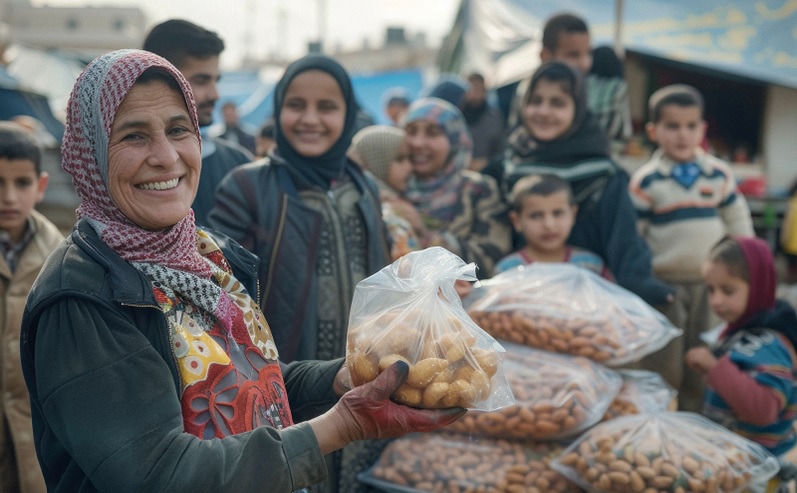
Humanitarian assistance covers several areas of need. Food is one of the most urgent concerns because families may struggle to obtain regular meals when markets, transport and supply routes are disrupted. Food parcels and other forms of food assistance can help households meet immediate nutritional needs.
Clean water and sanitation are equally important. Access to safe drinking water, hygiene products and suitable sanitation facilities helps reduce the risk of illness, particularly in crowded displacement settings. Basic items such as soap, sanitary products and clean clothing can also make a meaningful difference to daily living conditions.
Healthcare support is another priority. Hospitals and medical facilities may face shortages of medicines, equipment and essential supplies. People with injuries, chronic illnesses or other medical needs can experience serious difficulties when healthcare services are disrupted. Humanitarian organisations may support these needs through medical supplies, healthcare assistance and other relief measures.
Shelter and protection also matter. Families who have lost their homes may need temporary accommodation, blankets, clothing and other essentials. Children, older people and individuals with disabilities can face additional challenges during displacement, making accessible and appropriate support important.
A well-planned Gaza Emergency Appeal should respond to these changing needs rather than focus on only one type of assistance. The most urgent priorities may differ between communities and over time, depending on access, available supplies and conditions on the ground.
Why Is Sustained Giving Important for Humanitarian Relief?
Emergency donations often increase when a crisis first receives widespread attention. While this initial response is valuable, humanitarian needs can continue for months or years. Relief organisations must therefore consider how to maintain assistance beyond the first wave of public concern.
Regular donations can help organisations plan their work with greater certainty. When funds are available over time, they may be better placed to coordinate supplies, respond to new needs and maintain programmes where access permits. This does not mean every donation will support the same activity. The use of funds may depend on the appeal’s stated purpose, operational needs and conditions in the affected area.
Sustained giving also recognises that recovery is not immediate. Even when emergency conditions improve, families may still need help rebuilding their lives, replacing essential belongings and accessing basic services. Children may require educational support, while adults may need assistance to restore their livelihoods.
For people considering the Gaza Emergency Appeal, donate only the amount you can give. Before contributing, review the organisation’s appeal information, donation methods and available reporting. It is also useful to understand whether funds are restricted to a specific programme or may be directed towards other urgent needs within the stated humanitarian response.
Giving regularly is not the only way to help. A one-off contribution can still provide valuable support. The important point is to make an informed donation and understand the purpose of the appeal.
How Can You Make a More Informed Humanitarian Donation?
Choosing where to donate requires care, especially during a crisis when many organisations and fundraising campaigns may seek public support. Start by checking whether the organisation clearly explains its work, the purpose of the appeal and how donations are accepted.
Look for transparent information about its humanitarian activities and the communities it aims to assist. A clear donation page should explain the available contribution methods and provide enough detail for donors to understand what their support is intended to fund. Where possible, review published updates or reports about its relief work.
It is also worth checking the security of the donation process. Use the organisation’s official website rather than unfamiliar links shared through unsolicited messages. Avoid providing payment information through unverified channels, and keep a record of your contribution.
Global Ehsan Relief provides a Palestine Emergency Appeal through its website. People who wish to support its humanitarian work can review the appeal details and donation options before contributing. Taking time to understand the stated purpose of the campaign helps donors make decisions with greater confidence.
A donation is only one form of support. Sharing verified appeal information, encouraging responsible giving and keeping attention on humanitarian needs can also help. However, information should be checked before it is circulated so that support reaches legitimate relief efforts.
Keep Humanitarian Support Going Beyond the Headlines
The needs of families affected by conflict do not disappear when media coverage decreases. Access to food, clean water, medical care and safe shelter remains essential throughout an emergency and the difficult period that follows.
A Gaza Emergency Appeal gives individuals an opportunity to contribute towards relief efforts, while sustained support can help organisations respond as circumstances change. Every donation should be made with care, guided by clear information about the organisation and the purpose of its work.
Contact us at Global Ehsan Relief to learn more about its Palestine Emergency Appeal and the available ways to contribute. Your support can help keep humanitarian needs in focus and contribute to relief efforts for families facing hardship.